
A1 Tank Guys removes underground heating oil tanks, tests the soil around them and cleans up contamination for homeowners across North and Central New Jersey, from Verona and Montclair to Edison and Jersey City. Flat-rate contracts and a 5.0-star rating on Google.
Get your FREE
Quote Today
By pressing 'Get a FREE Quote' you are agreeing to our terms and conditions and privacy policy, and consenting to receive text messages from A1 Tank Guys. To unsubscribe, reply STOP.
Know the price up front, follow the proper process, and finish with the paperwork you need.
We locate the tank, look at access to the yard or driveway and explain what the township will need. You get a flat-rate price in writing, not an open-ended estimate that grows once the digging starts.
We pull the township permit, schedule the inspection, then excavate, clean and haul the tank away. The inspector sees the tank and the excavation before anything is backfilled.
If the tank passes, the hole is backfilled and compacted and you keep the documents for your records. If it fails, we walk you through every option for closing the NJDEP case, not only the most expensive one.

A1 Tank Guys focuses on one thing: residential heating oil tanks. We remove them, test the soil around them and remediate the ground when a tank has leaked, for homeowners, buyers and sellers in North and Central New Jersey.
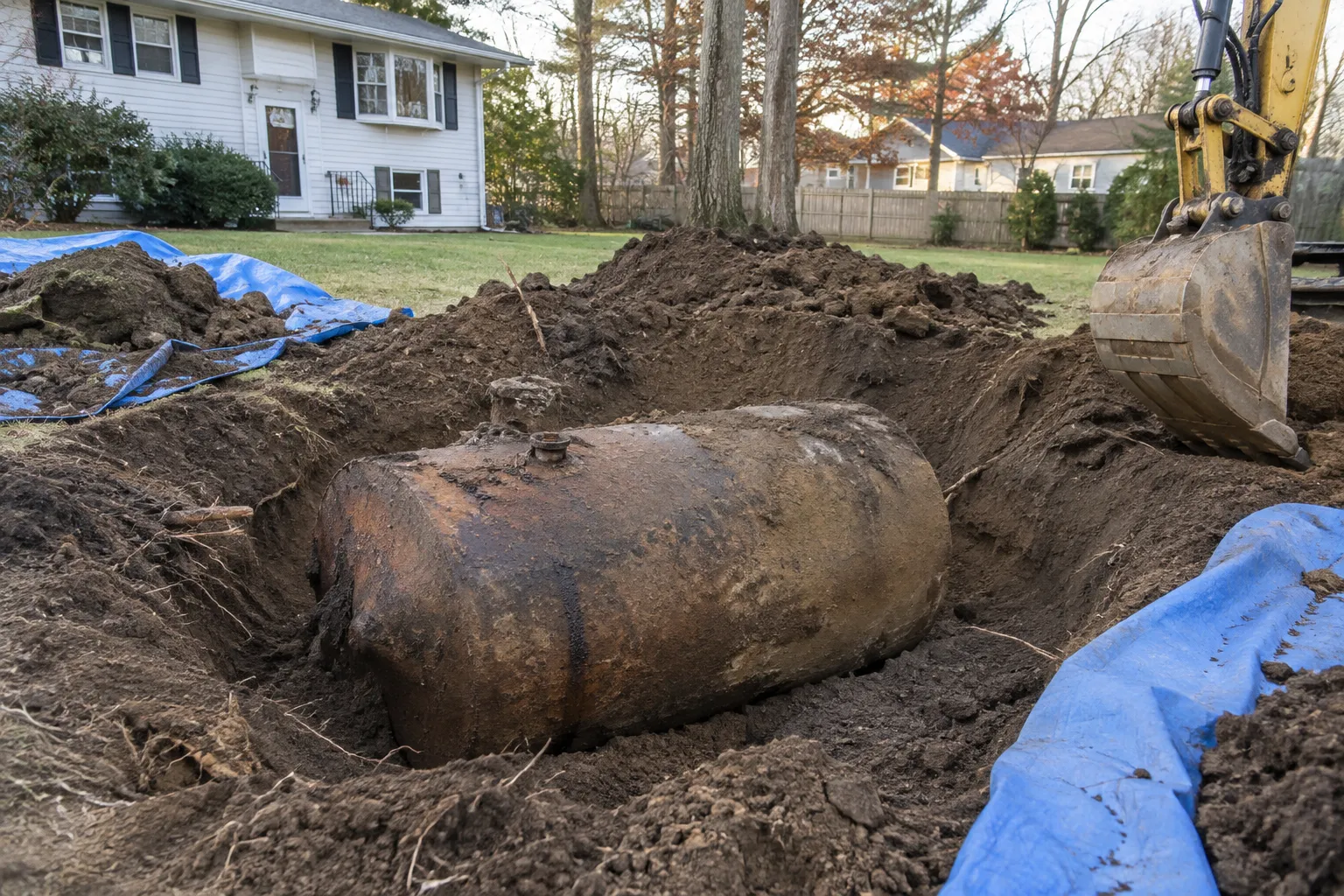
Township permit, excavation, cleaning and disposal of your underground heating oil tank, with the inspection handled on site and a fixed price agreed before we dig.
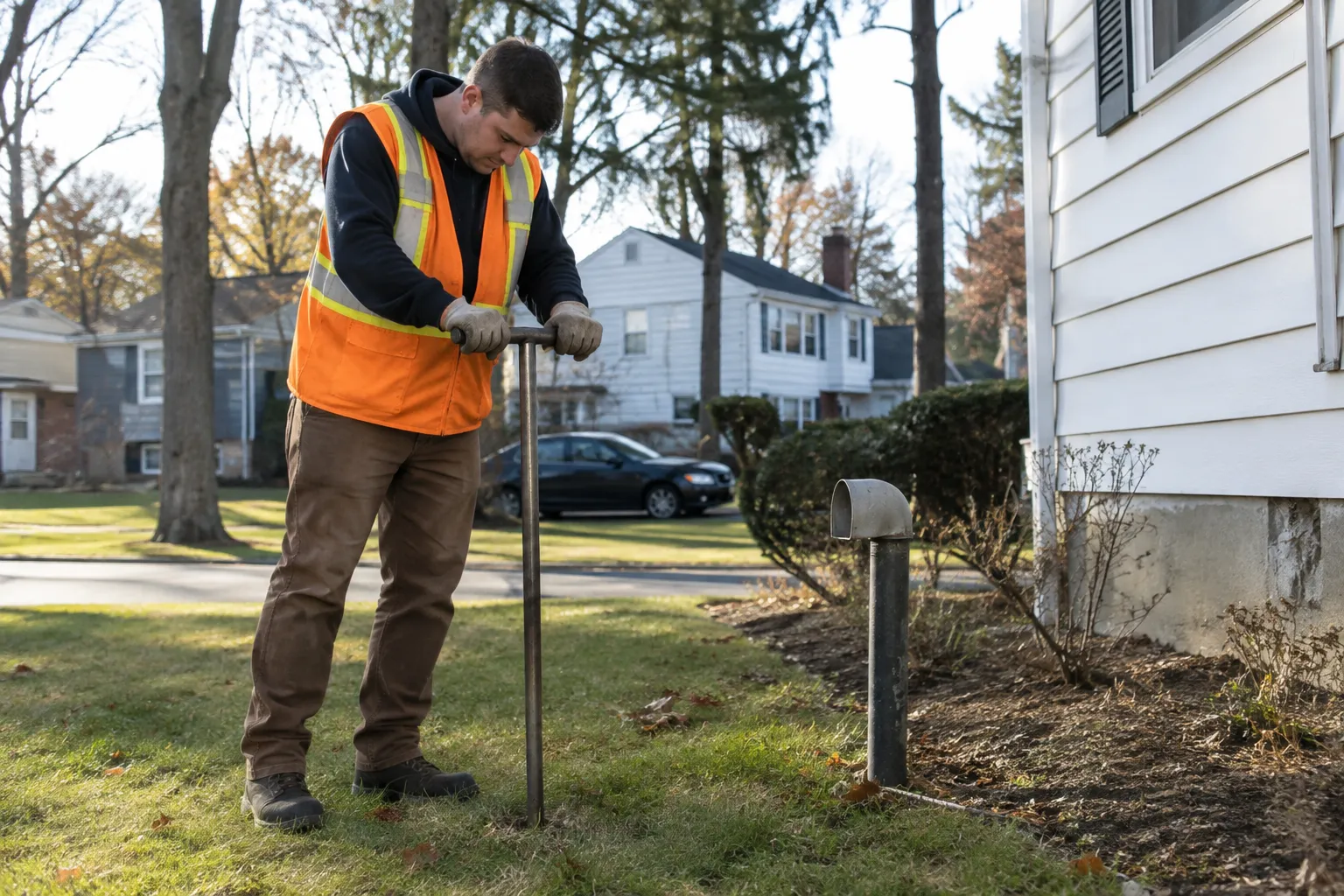
Soil samples taken around a buried tank that is still in the ground, so buyers and sellers know whether it has leaked before anyone signs a contract.
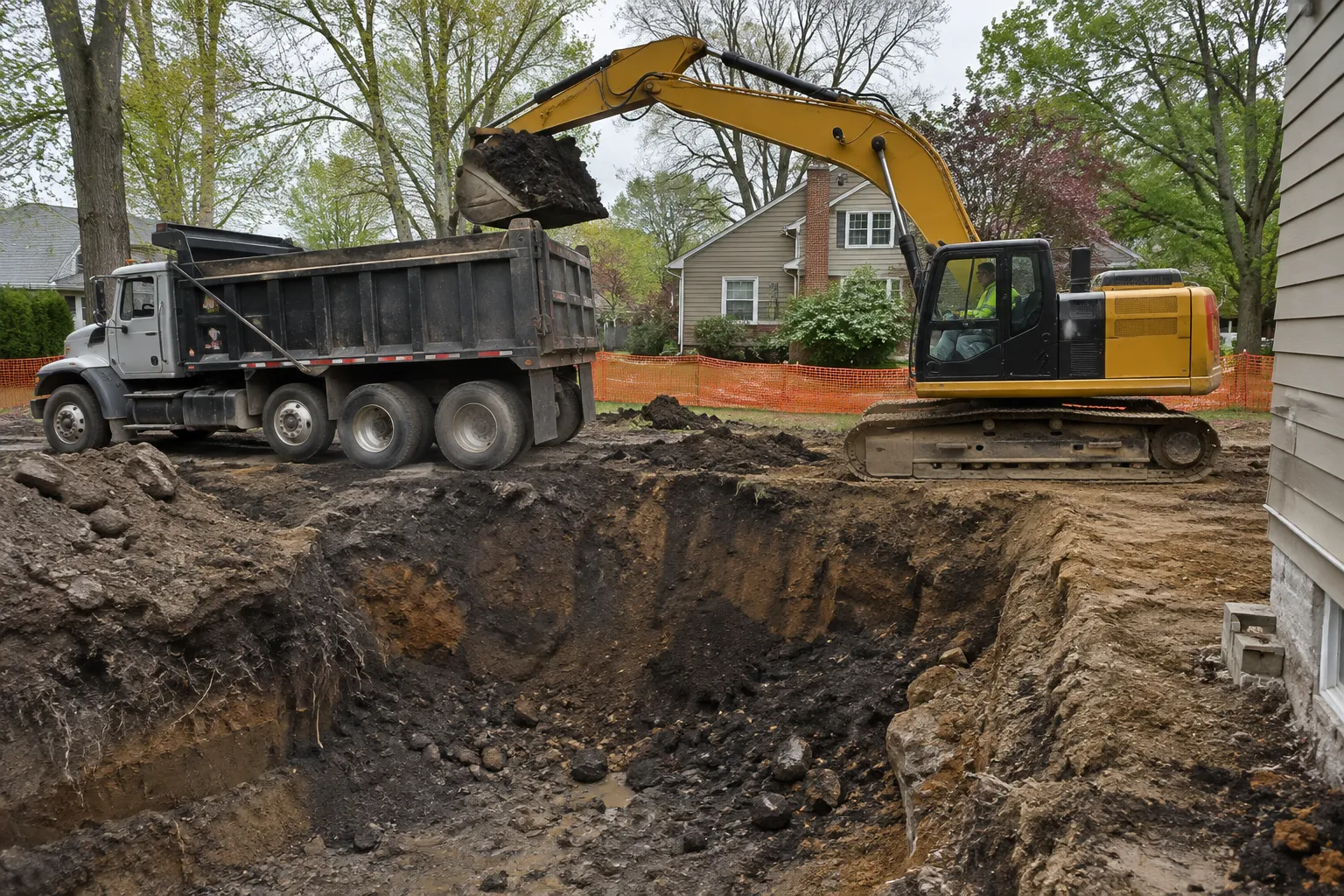
Flat-rate cleanup of oil-impacted soil after a failed tank inspection, taken through to the paperwork you need to close out the NJDEP case.
A1 Tank Guys, also known on Google as A-1 Oil Tank Removal, works out of Pompton Avenue in Verona and covers Essex, Passaic, Morris, Bergen, Union, Hudson, Middlesex and Somerset counties. Most of our calls come from a home inspection that turned up a fill pipe in the lawn, or a township that wants an old tank out before a sale closes. We built the company around clear, fixed pricing and a process that holds up to the inspector.
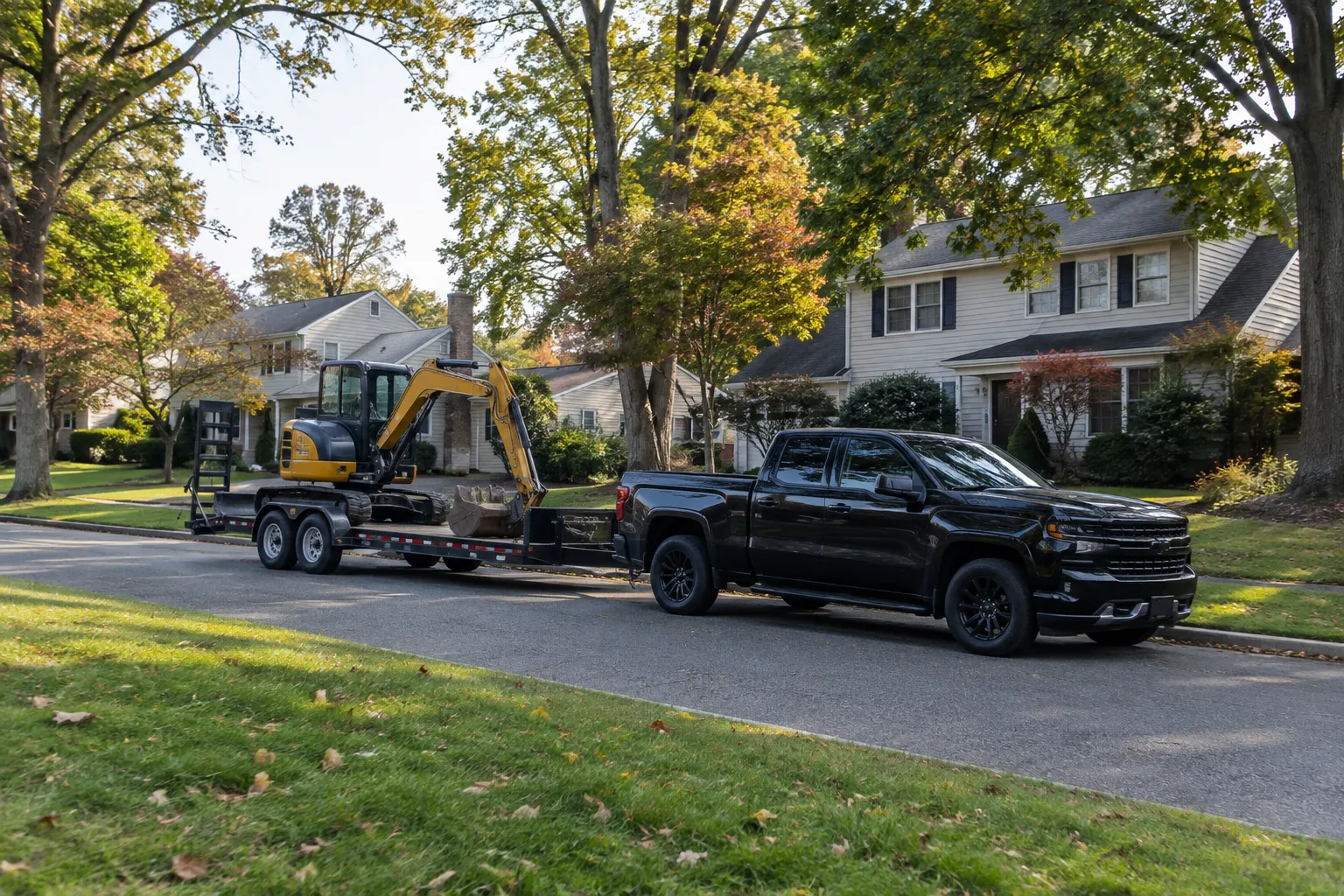
From our base in Verona and our Edison and Jersey City locations we reach most towns in North and Central New Jersey, which keeps site visits, inspections and removals on schedule.
Verona, Montclair, Cedar Grove, West Orange, Livingston, the Caldwells, Nutley, Wayne, Clifton, Parsippany, Morristown and Ridgewood.
Edison, Metuchen, Woodbridge, Piscataway, Dunellen, Westfield, Cranford, Bridgewater and nearby Middlesex, Union and Somerset towns. See Edison projects.
Jersey City, Bayonne and surrounding Hudson County neighborhoods. Call (973) 922-9002 to check your town.
Rated 5.0 out of 5 across 102 Google reviews on our Verona profile, with 5.0-star profiles in Edison and Jersey City as well. A few recent reviews from our Jersey City profile are below. Read every review on Google.
★★★★★
“The crew showed up prepared and completed the work efficiently. Everything was handled with care and professionalism.”
Google review
View on Google
★★★★★
“The service was efficient and professionally handled. The crew was friendly, responsive, and explained the process clearly. I appreciated the attention to detail.”
Google review
View on Google
★★★★★
“I appreciated how carefully the team handled the entire removal process. They explained what would happen before beginning and kept me informed throughout the work.”
Google review
View on Google
Answers to the questions we hear most from New Jersey homeowners, buyers and sellers about buried heating oil tanks.
We are based in Verona and work throughout North and Central New Jersey, including Essex, Passaic, Morris, Bergen, Union, Hudson, Middlesex and Somerset counties. Towns we visit often include Montclair, West Orange, Livingston, Wayne, Edison, Woodbridge and Jersey City.
Common clues are a fill pipe or vent pipe sticking out of the lawn or beside the foundation, capped copper lines coming through the basement wall, or a house that was heated with oil before a gas conversion. A tank sweep by a home inspector or a quick site visit will confirm it.
State rules do not force every homeowner to remove an unused residential tank, but many insurers, lenders and buyers will not move forward while one is in the ground. Removing it on your schedule is usually cheaper and calmer than doing it under a closing deadline.
The township inspector notes it, the discharge is reported to the NJDEP and a case number is issued. That starts a process, not an automatic dig-out. Soil sampling shows how far any contamination goes, and we explain the options for closing the case.
Yes. Tank removal, soil testing and soil remediation are quoted at a fixed price in writing, so you know your number before you sign.